
14 Nov
0
21
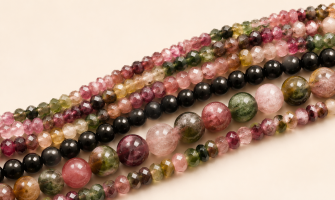
Tourmaline in Jewelry — Stone Properties, Colors, and How to Choose BeadsA single strand of multicolored tourmaline can become a necklace that gradually shifts from pink to green. You can also pick contrasting beads for earrings or use small faceted ..
14 Nov
0
27
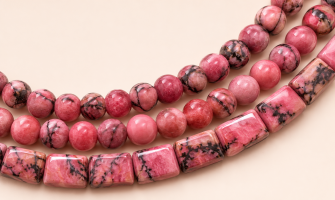
Rhodonite is easy to recognize by its pink tones and dark markings. Some beads are mostly pale pink, while others have more prominent black veins and brown patches. A single strand can give you enough variation to arrange the beads from light to dark..
14 Nov
0
104
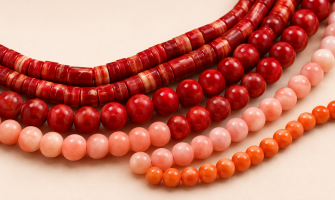
Bamboo Coral in Jewelry — How to Choose Beads and What to Pair Them WithA short strand of red beads, earrings with coral sticks, or a bracelet with pearls — the same material can look quite different depending on the shape of the beads. Round beads c..
16 Jan
0
1134
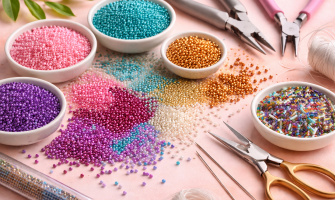
Beads: Types, Sizes, How to Choose the Best Beads for Jewelry MakingBeads are one of the most popular materials for handmade jewelry, embroidery, and DIY accessories. With beads, you can create bracelets, earrings, rings, chokers, necklaces, and deco..
16 Jan
0
441
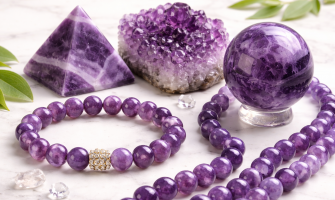
Amethyst ranges from pale lavender to deep purple. Light beads look lovely alongside pearls, while darker beads can take center stage in a necklace or form a matching pair for earrings. If a strand contains several shades, try arranging the beads fro..
16 Jan
0
431
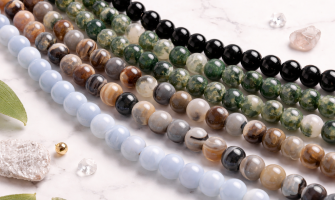
Agate Bead Strands: What They Are For and How to Use Them in JewelryBead strands made from natural stones are one of the easiest materials for jewelry making. Agate bead strands are especially popular: they have beautiful patterns, many color variati..
16 Jan
0
293
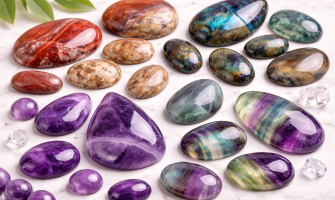
Cabochon: What It Is and How It’s Used in JewelryIf you’re choosing natural gemstones for jewelry or making handmade accessories, you’ve probably come across the word “cabochon”. Cabochons look stunning because they highlight the stone’s depth of col..
Showing 1 to 7 of 7 (1 Pages)